
10. 9. 2026
Are Car Modifications Legal in the UK?
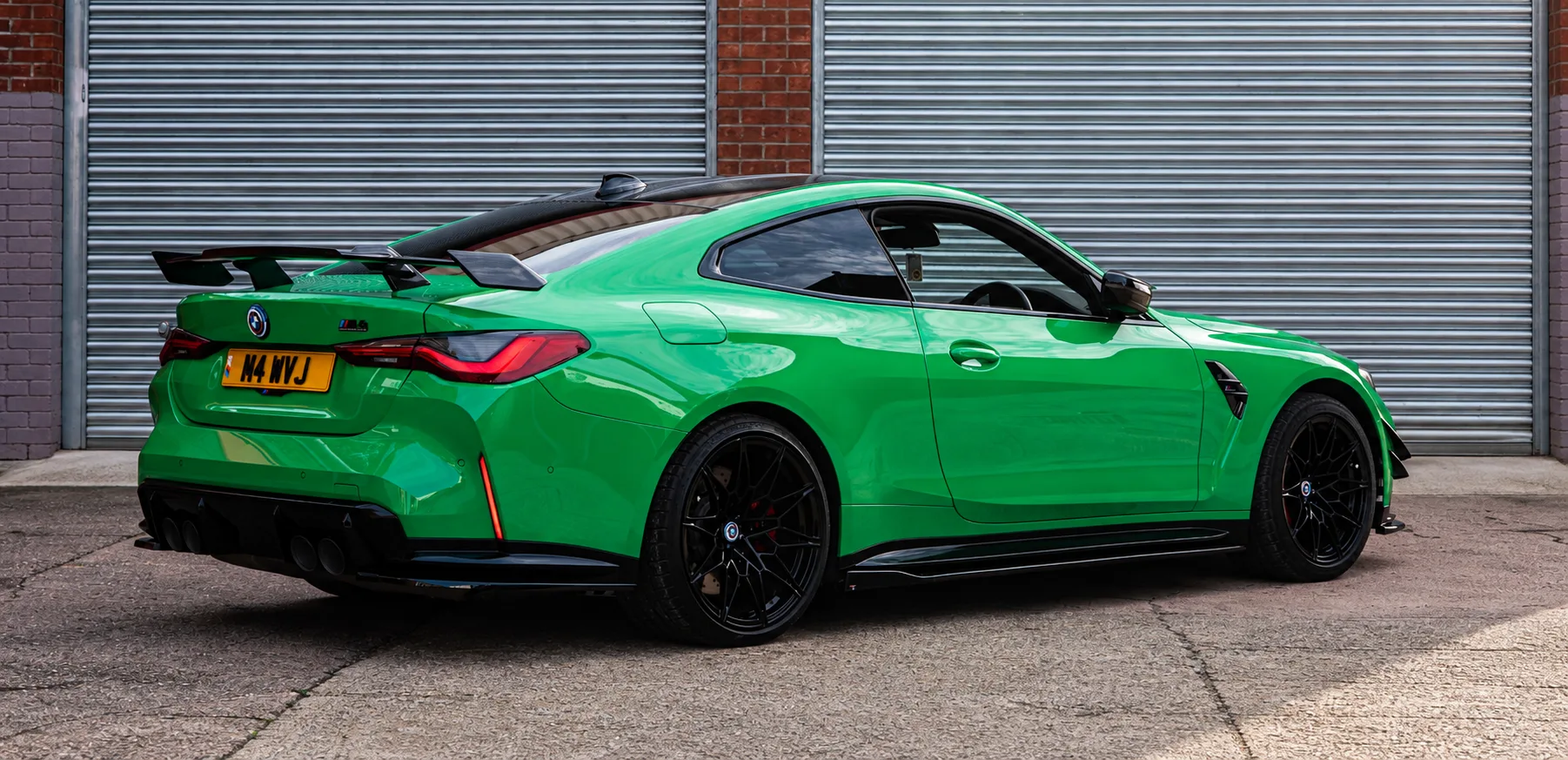
What You Need to Know Before Customising Your Car
Customising a car is one of the best ways to make it feel genuinely yours. A new body kit, spoiler, lowered suspension or custom paint finish can completely change its character—but it is sensible to check the rules before the work begins.
So, are car modifications legal in the UK?
The short answer is yes, most car modifications are legal when they are properly planned, safely fitted and do not make the vehicle unroadworthy.
However, some changes must be declared to your insurer, certain alterations need to be reported to the DVLA, and every road-going car must continue to meet the relevant MOT and construction requirements.
The exact position depends on the car, the modification and how the work is carried out. That is why it pays to get experienced advice before ordering parts or starting a major build.
What counts as a car modification?
A modification is generally any change that makes a vehicle different from the manufacturer’s standard specification.
That can include alterations such as:
Fitting a body kit, splitter, diffuser or spoiler
Lowering or changing the suspension
Installing different wheels or tyres
Adding a custom exhaust or carrying out engine work
Changing the vehicle’s paint colour
Fitting tinted windows or modified lighting
Altering the interior, seats or audio system
Fabricating or changing structural parts of the vehicle
Some modifications are mainly cosmetic, while others affect performance, handling or the structure of the car.
Even a change that appears cosmetic may still matter to an insurer or affect an MOT if it has been fitted poorly.
What makes a car modification illegal?
A modification is not automatically illegal simply because it is not standard.
Problems arise when the alteration makes the vehicle unsafe, breaks a specific vehicle rule, creates a danger to other road users or means the car no longer meets the requirements for use on public roads.
In practical terms, a modified car still needs to be safe, roadworthy and capable of passing its MOT.
Modified parts must be securely fitted and should not:
Create dangerous projections or sharp edges
Interfere with the steering or tyres
Obscure the driver’s view
Cover lights, registration plates or safety equipment
Compromise important structural or safety components
Make the car unsafe to drive
Good workmanship is therefore about more than appearance. Correct preparation, alignment, mounting and finishing all help ensure that the completed modification works with the vehicle rather than creating a new problem.
Are body kits, splitters and spoilers legal?
Body kits, spoilers, splitters, side skirts and diffusers can all be legal on UK roads. The important issue is how they are designed and fitted.
During an MOT, body panels and components—including spoilers—can be assessed for security and safety. A component that is insecure, likely to become detached or likely to cause injury could result in a major or dangerous defect.
Before fitting exterior parts, it is worth checking:
Whether the part is intended for the specific make and model
Whether it will need alteration to achieve the correct fit
How it will be mounted securely
Whether it affects lights, number plates, sensors or cameras
Whether it reduces ground clearance to an impractical level
Whether any edge or projection could present a safety risk
Whether the part needs preparing and painting before installation
Aftermarket components do not always arrive ready to bolt straight onto a car.
Achieving consistent panel gaps and a clean, secure finish can involve preparation, adjustment, fabrication and paintwork. Professional fitting can make the difference between a part that merely looks acceptable from a distance and one that appears properly integrated with the car.
Is it legal to lower a car in the UK?
Lowering a car can be legal, but the finished vehicle must remain safe and roadworthy.
Suspension work should be carried out with the car’s steering, tyre clearance, braking, geometry and everyday usability in mind.
An extreme drop can cause tyres to contact the bodywork, reduce suspension travel or leave important components too close to the road. It may also affect handling and tyre wear if the vehicle’s geometry is not checked afterwards.
A well-planned suspension upgrade should consider more than the final ride height. The aim is to achieve the required stance while retaining safe, predictable behaviour on the road.
Are custom paintwork and colour changes legal?
Custom paintwork, flames, candy colours and colour-flip finishes are legal, provided the finish itself does not make the vehicle unsafe or conceal items that must remain visible.
If the main colour of the vehicle changes, the registered keeper must update the colour shown on the V5C registration certificate.
This does not prevent you from choosing a dramatic finish; it simply ensures that the DVLA’s vehicle record stays accurate.
For a custom build, it is sensible to retain invoices and photographs of the work. These can help document the vehicle’s history and may be useful when speaking to insurers or when the car is eventually sold.
Do car modifications need to be declared to your insurer?
You should tell your insurer about any proposed modification and ask them to confirm how it will affect your cover before the work is carried out.
Insurers can treat a wide range of changes as modifications, including:
Body kits and spoilers
Custom paintwork
Suspension changes
Different wheels
Tinted windows
Exhaust modifications
Engine upgrades
Upgraded audio equipment
A change does not have to increase engine power to be relevant to your insurer.
Failing to declare a modification can have serious consequences. Depending on the policy and circumstances, an insurer may increase the premium, change the terms, refuse a claim or treat the cover as invalid.
You should also check whether the value of the parts and custom work will be covered if the car is damaged or stolen.
When speaking to the insurer, ask:
Will you continue to insure the car after the proposed work?
Will the premium or excess change?
Is the value of the modification covered?
Do you need photographs, invoices or an independent valuation?
Is there an agreed-value option for a heavily modified or restored car?
Keep written confirmation of the answers with the vehicle’s records.
When do you need to tell the DVLA?
Not every cosmetic accessory needs to be reported to the DVLA.
However, the V5C must be updated for certain changes, including a change to the vehicle’s:
Main colour
Engine
Cylinder capacity
Fuel type
Seating capacity
The DVLA must also be told about structural modifications that change the dimensions or appearance of a chassis, monocoque bodyshell or frame.
Examples can include substantial alterations to load-bearing structures, roof pillars, subframes or the basic vehicle structure.
Major custom builds, restorations and one-off fabrication projects should therefore be planned carefully.
Depending on the scale and nature of the work, the owner may need to supply forms, photographs, receipts, an MOT certificate or other evidence to the DVLA.
If you are unsure whether your proposed build needs to be reported, check the current GOV.UK guidance or contact the DVLA before the structural work starts.
Can a modified car pass an MOT?
Yes. A modified car can pass an MOT, provided it meets the standards that apply to it and none of the alterations make it unsafe.
An MOT tester will not fail a vehicle simply because it has been customised. They will assess the condition and operation of the items included in the test.
Depending on the work completed, that can include:
The security of body components
Suspension condition
Tyre clearance
Lights and visibility
Exhaust noise
Emissions
The general roadworthiness of the vehicle
The MOT inspection guidance describes an unsafe modification as one that adversely affects roadworthiness, is likely to cause injury or has a disproportionately adverse environmental effect.
It is important to remember that an MOT is a check of the vehicle at a particular time. It does not replace careful design, quality workmanship or regular maintenance.
Common car modification mistakes to avoid
The legality and success of a custom car often come down to planning and execution.
Common problems include:
Buying a kit without checking whether it suits the exact model and body style
Assuming an aftermarket panel will fit perfectly without preparation
Fitting exterior components with inadequate fixings
Lowering the car without checking clearance and wheel alignment
Covering or obstructing lights, sensors, number plates or cameras
Making structural changes without checking DVLA requirements
Forgetting to update the V5C after a qualifying change
Completing the work before speaking to the insurer
Failing to keep photographs, invoices and specifications for the build
Discussing the complete plan at the start can prevent expensive changes later.
It also allows the bodywork, paint, suspension and finishing details to be considered as one coherent build rather than a collection of unrelated parts.
A simple checklist before modifying your car
Before committing to a modification:
Decide what you want the finished car to look like and how it will be used.
Check that the chosen parts are suitable for the vehicle.
Speak to an experienced custom-car specialist about fitting and any additional work.
Contact your insurer and get confirmation of the effect on your cover.
Check whether the alteration needs to be reported to the DVLA.
Consider how the change could affect the MOT, road clearance and everyday use.
Keep invoices, specifications and photographs of the completed work.
Planning a custom car project?
Most car modifications are perfectly possible within UK rules when the work is properly planned and completed to a high standard.
DC Customs works with car enthusiasts on everything from spoilers and body kits to custom fabrication, paintwork, suspension and complete bespoke builds.
If you have an idea but are unsure what parts you need, how the finished vehicle should come together or what the work is likely to involve, speak to the team before you commit.
Visit dccustoms.co.uk or call us on 01384 636459
We can assess the car, discuss the look you want to achieve and advise on a practical route towards the finished build.
This article provides general information and is not legal or insurance advice. Vehicle rules and individual insurance terms can change. Check the current GOV.UK guidance and speak to your insurer about your specific vehicle and proposed modifications.
Social Share: