
02. 16. 2026
What Questions Should I Ask My Car Restoration Shop?
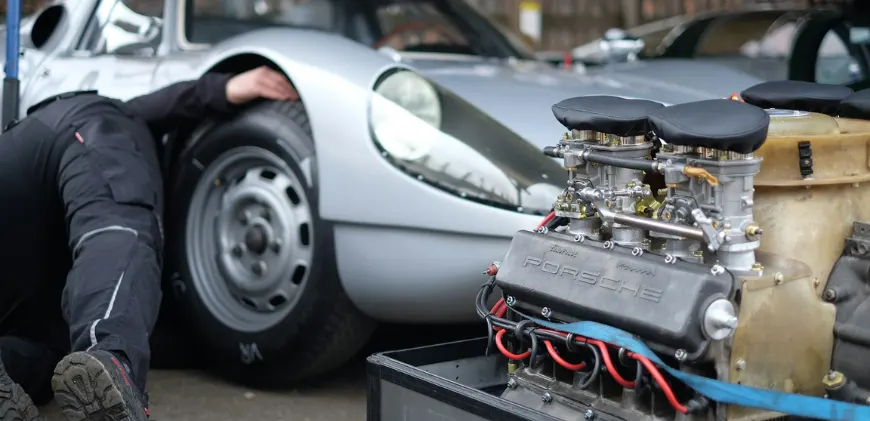
Choosing the right car restoration shop is one of the most important decisions you’ll make in your project. Whether you’re restoring a classic icon or breathing life back into a forgotten vehicle, asking the right questions upfront can save you time, money, and frustration.
A professional restoration isn’t just about making a car look good — it’s about craftsmanship, transparency, and trust. Below, we break down the essential questions you should ask before committing to any car restoration shop.
Why Asking the Right Questions Matters
Car restoration projects are complex, often involving significant investment and long timelines. The difference between a smooth experience and a stressful one usually comes down to communication and expectations.
By asking the right questions early, you can:
- Avoid unexpected costs
- Understand timelines clearly
- Ensure quality workmanship
- Protect the long-term value of your vehicle
Many issues in restoration projects stem from unclear expectations around scope, cost, and communication.
Experience & Expertise
Have You Worked on My Make and Model Before?
Not all restorations are the same. A shop that specialises in vintage British classics may not be the best fit for an American muscle car or a modern retro build.
Ask:
- Have you restored this make or model before?
- Can you show similar completed projects?
- What challenges did you face with those builds?
Experience with specific vehicles matters because older cars often require specialised techniques and knowledge.
What Type of Restoration Do You Specialise In?
Restoration isn’t one-size-fits-all. Clarify whether the shop focuses on:
- Concours (show-level perfection)
- Road-ready restorations
- Restomods or custom builds
Different approaches affect cost, timeframe, and final outcome, so it’s essential your goals align with their expertise.
Portfolio, Reputation & Proof of Work
Can I See Examples of Your Previous Work?
A reputable restoration shop should have a strong portfolio showing:
- Before and after photos
- Work in progress
- Completed vehicles
This gives you a realistic expectation of quality and attention to detail.
Do You Have References or Reviews?
Ask for:
- Customer testimonials
- Case studies
- Contactable previous clients
A trustworthy shop will be happy to provide proof of consistent, high-quality work and transparent service.
Process & Project Management
What Does Your Restoration Process Look Like?
Understanding the process helps you know what to expect. A professional shop should clearly outline stages such as:
- Initial inspection and strip-down
- Bodywork and fabrication
- Paint and finishing
- Mechanical rebuild
- Final assembly and testing
How Will You Keep Me Updated?
Communication is critical during a restoration.
Ask:
- How often will I receive updates?
- Will I get photos or progress reports?
- Who is my main point of contact?
Lack of communication is one of the most common frustrations customers face during restoration projects.
Parts, Materials & Authenticity
How Do You Source Parts?
Parts sourcing can significantly impact both cost and authenticity.
Key questions include:
- Do you use original, refurbished, or aftermarket parts?
- Do you have trusted suppliers?
- Can you source rare components?
The choice between original and reproduction parts can affect both the timeline and the vehicle’s value.
Can You Maintain Originality or Customise?
Be clear on your vision:
- Factory-original restoration
- Sympathetic upgrades
- Full custom build
A good car restoration shop will guide you on what’s possible and what’s practical.
Costs & Budget Transparency
Can You Provide a Detailed Estimate?
Always request a written, itemised estimate covering:
- Labour
- Parts
- Subcontracted work
Restoration costs can vary significantly, so transparency is essential from the start.
How Do You Handle Unexpected Costs?
Unexpected issues (like hidden rust or worn components) are common.
Ask:
- Will you contact me before additional work?
- How are change orders handled?
- Is there a contingency budget?
Clear processes prevent disputes later in the project.
Timelines & Expectations
How Long Will the Restoration Take?
Restorations can range from weeks to over a year depending on complexity.
Ask for:
- A realistic timeframe
- Key project milestones
- Potential delays (parts, fabrication, etc.)
Do You Have a Waiting List?
High-quality restoration shops are often in demand. A waiting list can actually be a good sign of reputation and quality.
Guarantees & Aftercare
Do You Offer Any Warranty on Your Work?
A professional car restoration shop should stand behind its work.
Ask:
- What is covered under warranty?
- How long does it last?
- What happens if issues arise post-completion?
Do You Offer Ongoing Support or Maintenance?
Some restoration specialists provide:
- Servicing packages
- Maintenance advice
- Future upgrades
This ensures your vehicle continues to perform as expected long after completion.
Red Flags to Watch Out For
What Should Raise Concerns?
Be cautious if a car restoration shop:
- Avoids giving written estimates
- Promises unrealistically fast timelines
- Has no portfolio or references
- Communicates poorly or inconsistently
A professional car restoration shop will prioritise quality over speed and be upfront about limitations.
Final Thoughts – Choose Expertise, Not Just Price
While cost is always a factor, choosing a restoration shop based purely on price can lead to poor results and costly corrections.
Instead, focus on:
- Proven experience
- Clear communication
- Transparent pricing
- Documented quality
A great restoration partner won’t just rebuild your car — they’ll protect its history, value, and future.
Ready to Start Your Restoration Journey?
At DC Customs, every project is treated with precision, passion, and attention to detail. If you’re considering restoring your vehicle, asking the right questions is the first step — choosing the right team is the next.
Visit dccustoms.co.uk or call us on 01384 636459 to start the conversation.
Social Share: