
03. 9. 2026
Paint Respray vs Full Restoration | What’s the Difference?
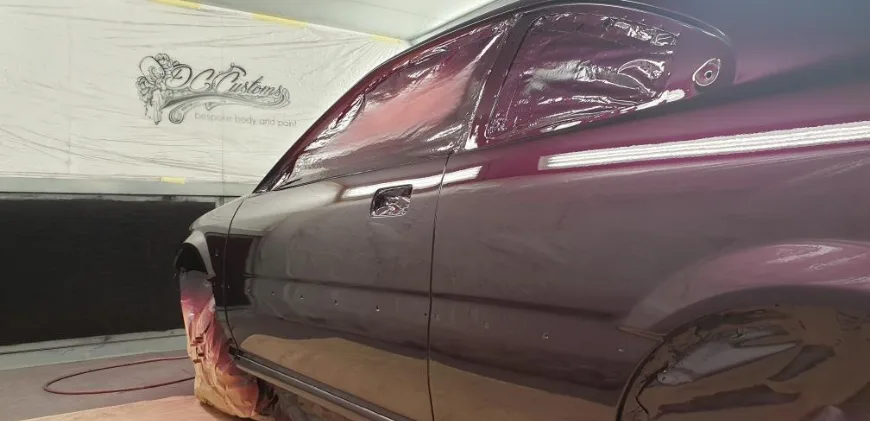
What’s the Difference Between a Paint Respray and a Full Restoration?
If you’re considering improving your vehicle, you’ve likely come across two common options: a paint respray and a full restoration. While both can dramatically enhance your car’s appearance, they serve very different purposes.
Understanding the difference is essential before committing your time and budget. One focuses purely on aesthetics, while the other transforms the entire vehicle from the ground up.
Why This Confusion Is So Common
At first glance, both services can make a car look “like new” — but that’s where the similarity ends.
A paint respray improves the exterior finish, whereas a full restoration goes far deeper, addressing structural, mechanical, and cosmetic elements together.
Choosing the right option depends on your vehicle’s condition, your goals, and how far you want to go.
What Is a Paint Respray?
A Focus on Surface Appearance
A paint respray is the process of refinishing your vehicle’s exterior. This typically involves:
- Sanding or stripping existing paint
- Repairing minor imperfections
- Applying primer, colour, and clear coat
- Polishing for a smooth finish
The result is a refreshed or completely new colour that enhances the vehicle’s visual appeal.
When Is a Respray the Right Choice?
A respray is ideal when:
- Paintwork is faded, scratched, or peeling
- You want to change the vehicle’s colour
- Bodywork has been repaired and needs refinishing
- The car is structurally sound but visually tired
It’s important to note that a respray is primarily cosmetic — it doesn’t address deeper issues like rust, mechanical wear, or structural damage.
What Is a Full Car Restoration?
A Complete Rebuild from the Ground Up
A full restoration is a comprehensive process that goes far beyond paint. It typically involves:
- Stripping the vehicle down to its base structure
- Repairing or replacing body panels and addressing rust
- Rebuilding or upgrading mechanical components
- Restoring interior features
- Repainting as part of the final stage
A true restoration aims to return the car to its original factory condition — or better.
When Is a Full Restoration Needed?
A full restoration is the right choice when:
- The vehicle has significant rust or structural damage
- Mechanical systems need rebuilding
- The car is a classic or investment vehicle
- You want a “factory-fresh” or show-level finish
Unlike a respray, this is a long-term project that transforms every aspect of the vehicle.
Key Differences Between a Respray and a Full Restoration
Scope of Work
- Respray: Focuses only on the exterior paint
- Restoration: Covers bodywork, mechanics, interior, and paint
A respray is just one component of a full restoration, not a substitute for it.
Time and Complexity
- Respray: Typically takes days to a couple of weeks
- Restoration: Can take months or even years depending on the project
A full respray is relatively straightforward, whereas restoration involves multiple stages and specialist skills.
Cost and Investment
- Respray: Lower cost, focused on visual improvement
- Restoration: Higher investment due to labour, parts, and expertise
A full respray can already be labour-intensive, especially if the car needs stripping and preparation.
A restoration, however, multiplies that effort across the entire vehicle.
End Result
- Respray: A fresh, clean, visually improved finish
- Restoration: A fully rebuilt vehicle, often comparable to new
If your goal is purely aesthetic, a respray may be enough. If you want long-term value and performance, restoration is the better route.
Can a Respray Be Part of a Restoration?
The Final Stage of the Process
Yes — in fact, most full restorations include a respray as the finishing touch.
After structural repairs and mechanical work are complete, the vehicle is repainted to achieve that flawless, showroom-quality finish.
Why Preparation Matters
In restoration projects, paintwork is only as good as the preparation beneath it.
Unlike a standalone respray, restoration-level paintwork often involves:
- Bare-metal preparation
- Panel alignment and correction
- Extensive rust treatment
This is why restoration paint finishes tend to be significantly higher quality and longer-lasting.
Which Option Is Right for You?
Choose a Respray If…
- Your car is mechanically sound
- You’re mainly concerned with appearance
- You want a quicker, more cost-effective upgrade
Choose a Full Restoration If…
- Your vehicle needs structural or mechanical work
- You’re restoring a classic or collector’s car
- You want a long-term investment and premium finish
Final Thoughts – It’s About More Than Just Paint
While a paint respray can dramatically transform how your car looks, it’s only one piece of the puzzle.
A full restoration is about craftsmanship, detail, and bringing a vehicle back to life — not just on the surface, but in every component.
If you’re unsure which route is right, speaking to an experienced specialist will help you understand what your vehicle truly needs — and what will deliver the best result.
Ready to Transform Your Vehicle?
At DC Customs, every project is approached with precision and passion — whether it’s a high-quality respray or a full, ground-up restoration.
Visit dccustoms.co.uk or call us on 01384 636459 to start the conversation.
Social Share: